


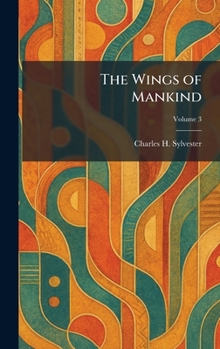
The Wings of Mankind

"The Wings of Mankind", volume 3, is a curated collection of literary and historical works edited by Charles H. Sylvester. This volume serves as an expansive anthology of world literature, mythology, and biographical narratives designed to illuminate the path of human progress and the development of the human spirit. Through a careful selection of classic texts, the work explores the intellectual and cultural achievements that have allowed humanity to transcend its limitations and reach for greater heights of understanding.
Focusing on the power of storytelling and the preservation of historical memory, "The Wings of Mankind" offers readers a journey through the fundamental myths, legends, and historical events that define civilization. Sylvester's expert curation provides a balanced mix of poetry, prose, and educational commentary, making it a valuable resource for students of literature and history alike. The volume emphasizes the thematic unity of human experience across different ages, highlighting the enduring relevance of the classics in shaping modern thought. This collection remains a significant contribution to the field of educational literature, offering a timeless window into the masterpieces of the written word.
This work has been selected by scholars as being culturally important, and is part of the knowledge base of civilization as we know it. This work was reproduced from the original artifact, and remains as true to the original work as possible. Therefore, you may see the original copyright references, library stamps (as most of these works have been housed in our most important libraries around the world), and other notations in the work.
This work is in the public domain in the United States of America, and possibly other nations. Within the United States, you may freely copy and distribute this work, as no entity (individual or corporate) has a copyright on the body of the work.
As a reproduction of a historical artifact, this work may contain missing or blurred pages, poor pictures, errant marks, etc. Scholars believe, and we concur, that this work is important enough to be preserved, reproduced, and made generally available to the public. We appreciate your support of the preservation process, and thank you for being an important part of keeping this knowledge alive and relevant.
Customer Reviews
ThriftBooks ® and the ThriftBooks ® logo are registered trademarks of Thrift Books Global, LLC
