


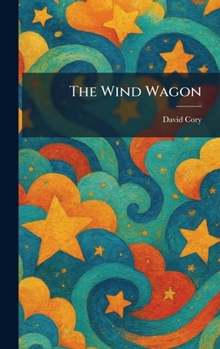
The Wind Wagon

"The Wind Wagon" is a charming and imaginative juvenile adventure penned by the prolific children's author David Cory. The story follows a group of spirited characters as they embark on a journey across the landscape in a unique, wind-powered vehicle. Combining elements of early 20th-century whimsy with the timeless appeal of travel and discovery, this work captures the spirit of exploration and ingenuity that defines much of Cory's literary output.
As the "Wind Wagon" glides through various terrains, readers are introduced to a series of engaging encounters and lighthearted challenges. The narrative emphasizes the joy of the open road and the excitement of unconventional modes of travel, making it a quintessential example of early American children's fiction. Cory's talent for creating relatable characters and fantastical situations shines through in this delightful tale, which remains a testament to the creative storytelling of the era. "The Wind Wagon" is an excellent choice for readers interested in historical juvenile literature and the evolution of transport-themed adventures.
This work has been selected by scholars as being culturally important, and is part of the knowledge base of civilization as we know it. This work was reproduced from the original artifact, and remains as true to the original work as possible. Therefore, you may see the original copyright references, library stamps (as most of these works have been housed in our most important libraries around the world), and other notations in the work.
This work is in the public domain in the United States of America, and possibly other nations. Within the United States, you may freely copy and distribute this work, as no entity (individual or corporate) has a copyright on the body of the work.
As a reproduction of a historical artifact, this work may contain missing or blurred pages, poor pictures, errant marks, etc. Scholars believe, and we concur, that this work is important enough to be preserved, reproduced, and made generally available to the public. We appreciate your support of the preservation process, and thank you for being an important part of keeping this knowledge alive and relevant.
Customer Reviews
ThriftBooks ® and the ThriftBooks ® logo are registered trademarks of Thrift Books Global, LLC
