


The Whig Enforcer

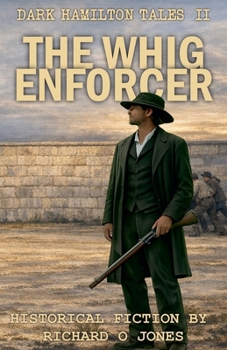
John C. Elliott (1817-1862) was not a killer in the way history books prefer their killers. He did not rage. He did not brood. He did not confess. He read the room, counted the exits, watched men's hands. What he was asked to do, he did - by the cord of wood, by the ballot box, by the riverbank, by the federal warrant. When the Whig machine needed a barn torched or a vote bought, Elliott obliged. When a Mormon elder was wanted in Illinois and the law in Illinois could not cross the Mississippi, When a self-declared Prophet threatened to upset the political order, Elliott rode west with a false name and a schoolmaster's coat and helped the Prophet get out of jail. The hard way. By 1850 Elliott wore a Marshal's badge. The Fugitive Slave Act had passed that autumn, and the federal government in Cincinnati needed men willing to drag an escaped slave across the Ohio River in chains. Elliott did it for seven years, until a fugitive named Addison White ended his federal career. This is a book about the quiet machinery of American violence, about the men the republic hired to do its dirty work and the ground those men covered without asking why.
Customer Reviews
ThriftBooks ® and the ThriftBooks ® logo are registered trademarks of Thrift Books Global, LLC
