


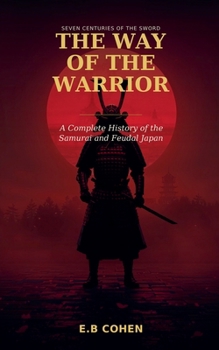
The Way of the Warrior

For seven hundred years, a caste of warriors ruled Japan by the sword. From the mounted archers who tamed the eastern frontier, through the Genpei War that drowned a child emperor at Dan-no-ura, the founding of the first shogunate, the two Mongol invasions turned back by the Divine Wind, and the century of civil war that shattered the country into warring domains, the samurai stood at the center of Japanese life. This is their whole story, told as a single continuous narrative.
E.B Cohen carries the reader across the entire arc of feudal Japan, threading it through a handful of durable ideas: the fierce bond between lord and vassal; the codes of honor and shame that governed a warrior's life and death; the long duel between the sword and the pen; and the strange fate of a fighting caste that spent its last two and a half centuries at peace, transformed into salaried bureaucrats even as it perfected the myth of bushido. Here are the three unifiers who forged a nation from chaos - the ruthless Nobunaga, the peasant-born Hideyoshi, the patient Ieyasu - and here too are the swordsmith and the tea master, the castle and the katana, the female warriors of the great houses, and the shadowy shinobi.
From the volley fire at Nagashino to the loyal vengeance of the forty-seven ronin, from the closing of the country to the arrival of Perry's black ships and the last doomed charge of Saigo Takamori, this is the epic story of how the samurai made Japan - and of how, in the end, Japan unmade the samurai.
Related Subjects
HistoryCustomer Reviews
ThriftBooks ® and the ThriftBooks ® logo are registered trademarks of Thrift Books Global, LLC
