


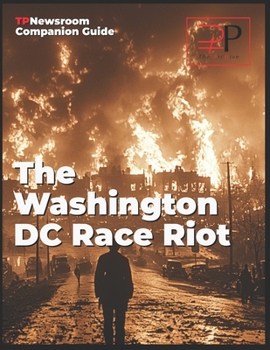
The Washington, D.C. Riot of 1919: Documentary Companion Guide

Set in the summer of 1919, the Washington, D.C. Riot stands as one of the most revealing episodes of racial violence in American history. Taking place in the nation's capital during the period known as the Red Summer, the violence exposed deep racial divisions, institutional failures, and the fragile reality of democracy for Black Americans in the early twentieth century.
This companion guide provides a structured and accessible examination of the Washington, D.C. Riot, beginning with the social and economic pressures that shaped the moment. Black veterans returned from World War I expecting equal treatment after serving their country, only to face the same segregation and discrimination they had hoped to leave behind. At the same time, the Great Migration transformed cities like Washington, D.C., increasing competition for jobs and housing while intensifying racial hostility.
The guide explores how sensationalized media coverage and racist political rhetoric fueled fear and justified violence in the public imagination. It details how white mobs, including civilians and military personnel, targeted Black residents and neighborhoods, and how Black communities organized self defense when law enforcement failed to intervene. Particular attention is given to the role of institutions, public narratives, and the long term consequences of state inaction.
Beyond recounting events, this guide connects the Washington riot to the broader pattern of Red Summer violence across the United States, including parallels with riots in Chicago, Omaha, and the Elaine Massacre in Arkansas. It examines how these events shaped civil rights advocacy, voter suppression, and political organizing for decades to come.
Designed for classrooms, community groups, and independent readers, this companion guide includes historical context, key vocabulary, guided discussion questions, essay prompts, and learning activities. It helps readers move beyond dates and headlines to understand how racial violence, media influence, and political power intersected in 1919, and why those lessons remain relevant today.
Related Subjects
History Political Science Politics & Social Sciences Social Science Social SciencesCustomer Reviews
ThriftBooks ® and the ThriftBooks ® logo are registered trademarks of Thrift Books Global, LLC
