


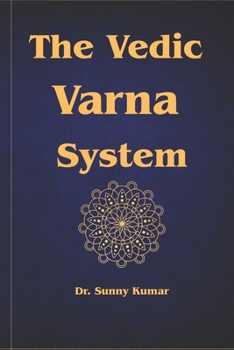
The Vedic Varna System

What is the true nature of the Vedic Varna system?
Was it a rigid social hierarchy based on birth, or a deeper philosophical framework rooted in human nature, function, and cosmic order?
The Vedic Varna System offers a comprehensive and thought-provoking exploration of one of the most debated concepts in Indian intellectual and social history. Moving beyond polarized narratives, this book carefully distinguishes between scriptural ideals and historical realities, presenting a balanced and evidence-based understanding.
Drawing from foundational texts such as the Vedas, Upanishads, and the Bhagavad Gita, the book reveals that Varna was originally conceived as a dynamic, guṇa-karma based system, emphasizing qualities, actions, and ethical responsibility rather than birth-based identity. It further examines how, over time, this philosophical model became intertwined with the complex realities of caste (Jāti), shaped by social, economic, and political forces.
This work goes beyond theory to explore:
The cosmological foundations of Varna in Vedic literatureThe distinction between Varna and caste (Jāti)The historical transformation of a fluid system into rigid structuresThe impact of colonial codification and modern politicsThe role of reservations, social justice, and contemporary debatesA multidimensional model of Varna based on heredity, environment, diet, inclination, and associationThe possibility of reinterpreting Varna in the 21st century as a framework for human potential and ethical livingWith a critical yet respectful approach, the book engages with diverse perspectives, from traditional interpretations to modern critiques, including those of reformers and thinkers such as B. R. Ambedkar.
Rather than offering simplistic conclusions, this work invites readers to reflect on deeper questions:
Can ancient philosophical ideas be separated from their historical distortions?Is it possible to reconcile tradition with modern values of equality and justice?What can the Varna framework teach us about human diversity and social harmony today?Written in a clear and analytical style, this book is ideal for students, scholars, and thoughtful readers interested in Indian philosophy, sociology, history, and contemporary social discourse.
Customer Reviews
ThriftBooks ® and the ThriftBooks ® logo are registered trademarks of Thrift Books Global, LLC
