


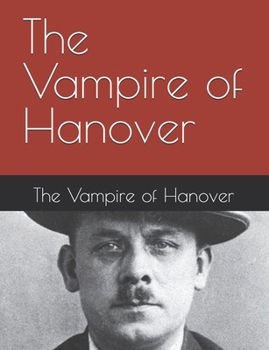
The Vampire of Hanover

In June 1924, human remains discovered in Hanover's River Leine exposed Friedrich Haarmann, a 45-year-old police informant who had murdered at least 24 young men between 1918 and 1924. Journalist Karl Weber documented the investigation, trial, and aftermath of Germany's most notorious serial killer case.
Haarmann preyed on vulnerable youths at Hanover's train station, luring them to his apartment where he sexually assaulted and killed them by biting through their throats. He disposed of remains in the river and sold victims' possessions on the black market. Despite numerous complaints and missing persons reports, police protected Haarmann as a valuable informant, dismissing evidence and ignoring warnings for six years.
The trial in December 1924 convicted Haarmann of 24 murders. He was executed by guillotine on April 15, 1925, his final words: "I repent, but I do not fear death."
The case exposed catastrophic institutional failures. Promised reforms largely failed to materialize. Victims' families fought for decades for accountability and memorialization. A century later, the case remains a haunting reminder of how systemic negligence enables predators, and how societies decide which lives are disposable-lessons still unlearned today.
Related Subjects
True CrimeCustomer Reviews
ThriftBooks ® and the ThriftBooks ® logo are registered trademarks of Thrift Books Global, LLC
