


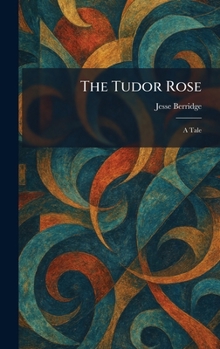
The Tudor Rose: A Tale

"The Tudor Rose: A Tale" is a compelling work of historical fiction that breathes life into the complex political and personal landscapes of 15th-century England. Set against the backdrop of the transition from the turbulent Wars of the Roses to the dawn of the Tudor dynasty, the narrative follows the intertwining fates of those caught in the struggle for the crown.
Jesse Berridge skillfully recreates the atmosphere of the English court, blending meticulous historical detail with the emotional resonance of a classic saga. The story explores themes of loyalty, ambition, and the heavy price of power as the white rose of York and the red rose of Lancaster finally merge. Readers are transported to a time of high stakes and dramatic shifts, where the foundations of modern Britain were being forged.
Through its vivid characterizations and evocative prose, the novel captures the tension between individual desires and the demands of the state. "The Tudor Rose: A Tale" remains a significant contribution to the genre of early 20th-century historical drama, offering a window into the romanticized yet gritty reality of the Tudor ascent.
This work has been selected by scholars as being culturally important, and is part of the knowledge base of civilization as we know it. This work was reproduced from the original artifact, and remains as true to the original work as possible. Therefore, you may see the original copyright references, library stamps (as most of these works have been housed in our most important libraries around the world), and other notations in the work.
This work is in the public domain in the United States of America, and possibly other nations. Within the United States, you may freely copy and distribute this work, as no entity (individual or corporate) has a copyright on the body of the work.
As a reproduction of a historical artifact, this work may contain missing or blurred pages, poor pictures, errant marks, etc. Scholars believe, and we concur, that this work is important enough to be preserved, reproduced, and made generally available to the public. We appreciate your support of the preservation process, and thank you for being an important part of keeping this knowledge alive and relevant.
Customer Reviews
ThriftBooks ® and the ThriftBooks ® logo are registered trademarks of Thrift Books Global, LLC
