


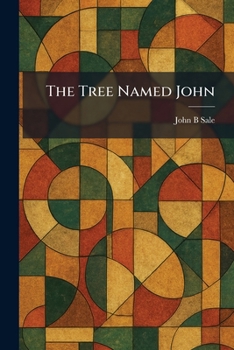
The Tree Named John

Select Format
Select Condition 
Book Overview
"The Tree Named John" is an evocative collection of sketches and stories that captures the rich tapestry of African American folklore and rural life in the American South during the late nineteenth century. Centered on the experiences of a young boy growing up on a Mississippi plantation, the work provides a vivid window into the traditions, superstitions, and oral histories that shaped the community. Through a series of vignettes, the narrative portrays the deep connection between the characters and their environment, often illustrated through the wisdom and tales passed down by the older generation.
The work is particularly significant for its authentic depiction of local dialects and its preservation of folk beliefs that define a specific era and cultural landscape. From the spiritual significance of the titular tree to the various charms and omens that guided daily existence, the book serves as both a literary exploration and an important cultural record. It offers readers a poignant look at a specific time and place, emphasizing the resilience and cultural richness of the Southern experience. This work remains a valuable resource for those interested in American history, folklore studies, and the enduring power of oral storytelling traditions.
This work has been selected by scholars as being culturally important, and is part of the knowledge base of civilization as we know it. This work was reproduced from the original artifact, and remains as true to the original work as possible. Therefore, you may see the original copyright references, library stamps (as most of these works have been housed in our most important libraries around the world), and other notations in the work.
This work is in the public domain in the United States of America, and possibly other nations. Within the United States, you may freely copy and distribute this work, as no entity (individual or corporate) has a copyright on the body of the work.
As a reproduction of a historical artifact, this work may contain missing or blurred pages, poor pictures, errant marks, etc. Scholars believe, and we concur, that this work is important enough to be preserved, reproduced, and made generally available to the public. We appreciate your support of the preservation process, and thank you for being an important part of keeping this knowledge alive and relevant.
Customer Reviews
ThriftBooks ® and the ThriftBooks ® logo are registered trademarks of Thrift Books Global, LLC
