


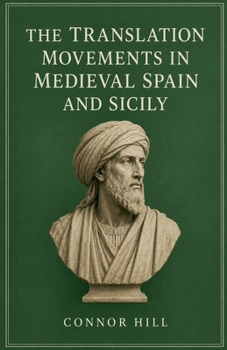
The Translation Movements in Medieval Spain and Sicily

The history of medieval Europe has often been told as a story of kingdoms, dynasties, wars, crusades, and religious transformation. Yet beneath these visible structures of political and social change lay another process that was equally consequential for the development of European civilization: the movement of knowledge across linguistic, cultural, and religious boundaries. Between the eleventh and thirteenth centuries, the western Mediterranean became the setting for one of the most remarkable episodes of intellectual exchange in human history. In the cities of medieval Spain and Sicily, scholars speaking Arabic, Latin, Hebrew, Greek, and various vernacular languages collaborated, debated, copied manuscripts, and translated texts that would profoundly reshape the intellectual landscape of Europe. The translation movements that emerged in these regions were not merely linguistic enterprises. They represented complex encounters among civilizations and served as vehicles through which ideas, methods, and entire systems of knowledge traveled from one world to another.
Related Subjects
HistoryCustomer Reviews
ThriftBooks ® and the ThriftBooks ® logo are registered trademarks of Thrift Books Global, LLC
