


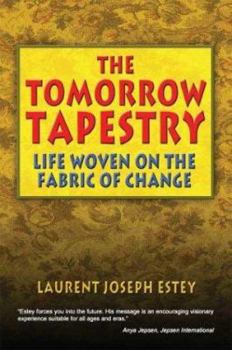
The Tomorrow Tapestry

The 1980s gave rise to the young upwardly mobile. In the 1990’s, yuppies downsized and rightsized their careers and companies into downward mobility. In 21st Century, the only thing that counts is... This description may be from another edition of this product.
Format:Paperback
Language:English
ISBN:1592867839
ISBN13:9781592867837
Release Date:August 2003
Publisher:Publishamerica Inc
Length:224 Pages
Weight:1.75 lbs.
Dimensions:9.0" x 0.5" x 6.0"
Customer Reviews
3 ratings
Insightful and Amusing
Published by Thriftbooks.com User , 22 years ago
A very enjoyable book that will give you a new perspective on creating a future that will be both rewarding and successful. The author uses personal experiences to relate the principles he has laid out, many times in hilarious fashion. If you want some insight into the culture that is plaguing corporations and individuals today, and how to avoid it, plus be thouroghly entertained, then I recommend this book.
OH, WHAT A FEELING. . .
Published by Thriftbooks.com User , 22 years ago
Joe Estey, through his special gift with words and real-life experiences - his and others - somehow connects with that little voice inside each of us. That connection creates a shift in how you see yourself, how you think about your circumstances, and how you feel about your purpose in life.
Is your future a fence or a frontier?
Published by Thriftbooks.com User , 22 years ago
The Tapestry Principles1. We'll all look at the same future, but won't see the same future. For some, the future will be a fence; for others, a frontier.2. Change is a natural human condition; resisting it, and unnatural response.3. Success is simple: do what you love to do to help others get what they need.These are the first three of nine Tapestry Principles that are found on the introduction page of Joe Estey's first book, The Tomorrow Tapestry. In this book, you will learn about successful mobility, which the author contends is the only thing that counts in the 21st Century.This 220 plus page paperback book is laid out in five sections. The first is the title section and constitutes Chapter 1. Chapters 2 through 16 explore The Fabric of Change. The Pattern of Our Purpose is addressed in Chapters 17 through 28. Chapters 29 through 34 deal with The Artists is Our Lives. The Final Thread: Passion is the subject of his final chapter. Estey focuses on several of his Tapestry Principles in each of these sections. He does this using a refreshing and insightful mixture of historical fact, anecdotes, and quotations logically melded to support his principles. The theme throughout is "The future belongs to those who prepare for it!" - Ralph Waldo Emerson. Why should we be interested in the future? Because, as Charles Kettering pointed out, "that is were I am going to spend the rest of my life."In Chapter 7, Estey notes that life is about choices and we either get to make choices or are forced to do so. What is the difference? - your attitude to change and choices it presents. A positive outlook, working with what you have rather than decrying the lack of some resource, and persistence are key elements in achieving success (changing). Another central theme that comes through in many of his anecdotes is found in the third principle, we best serve our own interests by striving to meet the needs of others. In the end, it is your attitude that makes the difference between life and death. How many people do you know who are dead in spirit because of their inability or unwillingness to accept, even embrace, change? Read Joe Estey's The Tomorrow Tapestry. You will be changed, and you will like it.
Copyright © 2026 Thriftbooks.com Terms of Use
| Privacy Policy | Do Not
Sell/Share My Personal Information | Cookie Policy | Cookie Preferences | Accessibility Statement
ThriftBooks® and the ThriftBooks® logo are registered trademarks of Thrift Books Global, LLC
ThriftBooks® and the ThriftBooks® logo are registered trademarks of Thrift Books Global, LLC
