


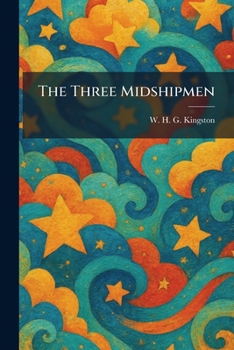
The Three Midshipmen

"The Three Midshipmen" is a classic maritime adventure that follows the early naval careers of three young friends: Jack Rogers, Awdry, and Adair. As midshipmen in the Royal Navy during the 19th century, the trio embarks on a series of daring missions across the high seas, facing everything from treacherous storms to hostile encounters with enemy vessels and pirates. W. H. G. Kingston masterfully captures the rigors and excitement of life aboard a man-of-war, blending technical naval detail with high-stakes action.
The story serves as an evocative portrayal of the Victorian era's naval traditions and the virtues of bravery, loyalty, and discipline required of those who served. Throughout their voyages, the characters undergo significant growth, transitioning from green recruits to seasoned sailors. "The Three Midshipmen" remains a cornerstone of nautical literature for young readers, offering a window into the golden age of sail and the enduring spirit of adventure that defines the genre. Its focus on camaraderie and the challenges of the seafaring life makes it a compelling read for those interested in historical fiction and maritime history.
This work has been selected by scholars as being culturally important, and is part of the knowledge base of civilization as we know it. This work was reproduced from the original artifact, and remains as true to the original work as possible. Therefore, you may see the original copyright references, library stamps (as most of these works have been housed in our most important libraries around the world), and other notations in the work.
This work is in the public domain in the United States of America, and possibly other nations. Within the United States, you may freely copy and distribute this work, as no entity (individual or corporate) has a copyright on the body of the work.
As a reproduction of a historical artifact, this work may contain missing or blurred pages, poor pictures, errant marks, etc. Scholars believe, and we concur, that this work is important enough to be preserved, reproduced, and made generally available to the public. We appreciate your support of the preservation process, and thank you for being an important part of keeping this knowledge alive and relevant.
Customer Reviews
ThriftBooks ® and the ThriftBooks ® logo are registered trademarks of Thrift Books Global, LLC
