


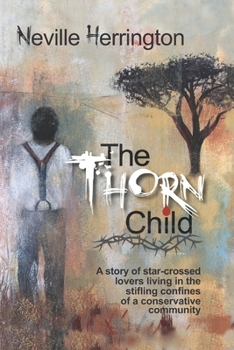
The Thorn Child
No Customer Reviews

Set in a small South African farming district of the Transvaal during the 1929/30 Great Depression, The Thorn Child is a story of star-crossed lovers living in the stifling confines of a conservative community where colour prejudice and intolerance prevail. With skilful use of dialogue which is one of the author's strengths and finely drawn characters, the action moves at a fast pace drawing the reader into the turmoil that ensues from a long suppressed family secret that emerges many years later, demanding complete commitment to the narrative until the last page is turned. The location shifts beyond the rural village of Skeerpoort, to the cities of Pretoria and Durban and overseas to New Orleans in the United States. The story introduces the reader to many fascinating and colourful characters who inject humour, pathos and insight into their lives and those with whom they interact. The Thorn Child touches our humanity in a forceful and thought-provoking manner.
It explores complex themes of love, societal restrictions, cultural divides, and the personal turmoil experienced by individuals caught in the web of conservative societal norms. Set against the backdrop of South Africa during the first half of the 20th century, the narrative delves into the life of a young woman, Catherine, who finds herself entangled in a love affair that transcends racial boundaries, challenging the conservative values of her community and family.
Although the narrative technique is traditional, focusing on detailed descriptions, the dialogue captures the essence of the characters, and a plot that moves forward through the personal growth and challenges faced by the protagonists. Herrington's writing style is descriptive, providing a vivid picture of the South African landscape, the societal norms of the time, and the inner conflicts of the characters.
The book draws the reader into the characters' dilemmas, particularly Catherine and her lover, Jannie. Their love story, marked by societal disapproval and personal guilt, is a poignant reflection on the impact of cultural and racial prejudices on individual lives. The novel also touches upon themes of identity, belonging, and the quest for personal freedom, making it a compelling read for those interested in stories that explore love's complexities against the odds.
The novel explores complex themes of love, societal restrictions, cultural divides, and the personal turmoil experienced by individuals caught in the web of conservative societal norms. Set against the backdrop of South Africa during the first half of the 20th century, the narrative delves into the life of a young woman, Catherine, who finds herself entangled in a love affair that transcends racial boundaries, challenging the conservative values of her community and family.
The narrative technique is traditional, focusing on detailed descriptions, dialogue that captures the essence of the characters, and a plot that moves forward through the personal growth and challenges faced by the protagonists. Herrington's writing style is descriptive, providing a vivid picture of the South African landscape, the societal norms of the time, and the internal conflicts of the characters.
One of the strengths of the book is its ability to draw the reader into the personal dilemmas faced by the characters, particularly Catherine and her lover, Jannie. Their love story, marked by societal disapproval and personal guilt, is a poignant reflection on the impact of cultural and racial prejudices on individual lives. The novel also touches upon themes of identity, belonging, and the quest for personal freedom, making it a compelling read for those interested in stories that explore the complexities of love against the odds.
It explores complex themes of love, societal restrictions, cultural divides, and the personal turmoil experienced by individuals caught in the web of conservative societal norms. Set against the backdrop of South Africa during the first half of the 20th century, the narrative delves into the life of a young woman, Catherine, who finds herself entangled in a love affair that transcends racial boundaries, challenging the conservative values of her community and family.
Although the narrative technique is traditional, focusing on detailed descriptions, the dialogue captures the essence of the characters, and a plot that moves forward through the personal growth and challenges faced by the protagonists. Herrington's writing style is descriptive, providing a vivid picture of the South African landscape, the societal norms of the time, and the inner conflicts of the characters.
The book draws the reader into the characters' dilemmas, particularly Catherine and her lover, Jannie. Their love story, marked by societal disapproval and personal guilt, is a poignant reflection on the impact of cultural and racial prejudices on individual lives. The novel also touches upon themes of identity, belonging, and the quest for personal freedom, making it a compelling read for those interested in stories that explore love's complexities against the odds.
The novel explores complex themes of love, societal restrictions, cultural divides, and the personal turmoil experienced by individuals caught in the web of conservative societal norms. Set against the backdrop of South Africa during the first half of the 20th century, the narrative delves into the life of a young woman, Catherine, who finds herself entangled in a love affair that transcends racial boundaries, challenging the conservative values of her community and family.
The narrative technique is traditional, focusing on detailed descriptions, dialogue that captures the essence of the characters, and a plot that moves forward through the personal growth and challenges faced by the protagonists. Herrington's writing style is descriptive, providing a vivid picture of the South African landscape, the societal norms of the time, and the internal conflicts of the characters.
One of the strengths of the book is its ability to draw the reader into the personal dilemmas faced by the characters, particularly Catherine and her lover, Jannie. Their love story, marked by societal disapproval and personal guilt, is a poignant reflection on the impact of cultural and racial prejudices on individual lives. The novel also touches upon themes of identity, belonging, and the quest for personal freedom, making it a compelling read for those interested in stories that explore the complexities of love against the odds.
Format:Paperback
Language:English
ISBN:B08ZBPK5DK
ISBN13:9798724146784
Release Date:March 2021
Publisher:Independently Published
Length:240 Pages
Weight:0.72 lbs.
Dimensions:0.5" x 6.0" x 9.0"
Customer Reviews
0 rating
Copyright © 2026 Thriftbooks.com Terms of Use
| Privacy Policy | Do Not
Sell/Share My Personal Information | Cookie Policy | Cookie Preferences | Accessibility Statement
ThriftBooks® and the ThriftBooks® logo are registered trademarks of Thrift Books Global, LLC
ThriftBooks® and the ThriftBooks® logo are registered trademarks of Thrift Books Global, LLC
