


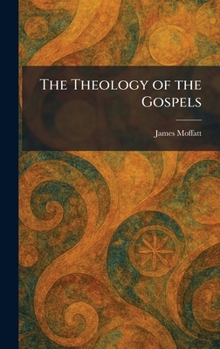
The Theology of the Gospels

"The Theology of the Gospels" provides a comprehensive and scholarly examination of the central religious themes found within the New Testament accounts of Jesus Christ. Written by the renowned theologian James Moffatt, this work delves into the distinct theological perspectives of the Synoptic Gospels and the Gospel of John, offering a balanced analysis of their shared foundations and unique contributions to early Christian thought.
The book explores critical topics such as the self-consciousness of Jesus, the kingdom of God, and the evolving Christology of the early church. Moffatt expertly navigates the historical and literary context of the texts, addressing how the evangelists interpreted the life and teachings of Jesus for their respective communities. Rather than a mere verse-by-verse commentary, this work synthesizes the core doctrines-including the significance of the Spirit and the ethical demands of the Gospel-into a coherent theological framework.
Ideal for students of divinity, biblical scholars, and readers interested in the historical development of Christian doctrine, "The Theology of the Gospels" remains a vital resource for understanding the foundational scriptures of Christianity. Moffatt's clear prose and rigorous methodology ensure that the complexities of New Testament theology are made accessible to a broad audience, preserving the enduring spiritual and intellectual value of the Gospels.
This work has been selected by scholars as being culturally important, and is part of the knowledge base of civilization as we know it. This work was reproduced from the original artifact, and remains as true to the original work as possible. Therefore, you may see the original copyright references, library stamps (as most of these works have been housed in our most important libraries around the world), and other notations in the work.
This work is in the public domain in the United States of America, and possibly other nations. Within the United States, you may freely copy and distribute this work, as no entity (individual or corporate) has a copyright on the body of the work.
As a reproduction of a historical artifact, this work may contain missing or blurred pages, poor pictures, errant marks, etc. Scholars believe, and we concur, that this work is important enough to be preserved, reproduced, and made generally available to the public. We appreciate your support of the preservation process, and thank you for being an important part of keeping this knowledge alive and relevant.
Customer Reviews
ThriftBooks ® and the ThriftBooks ® logo are registered trademarks of Thrift Books Global, LLC
