


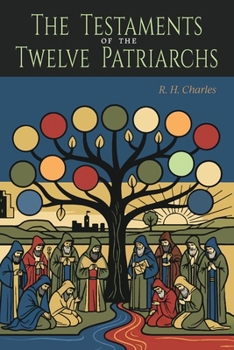
The Testaments of the Twelve Patriarchs

In this seminal translation and commentary, R.H. Charles and W.O.E. Oesterley present a profound exploration of the Testaments of the Twelve Patriarchs, a foundational work of pseudepigraphical literature. The text is framed as the final deathbed speeches of the sons of Jacob, each reflecting on their lives, their sins, and the virtues they wish to pass on to their descendants. Charles and Oesterley provide essential scholarly context, helping readers navigate the intricate blend of Jewish ethical teachings and the early Christian interpolations that have long fascinated theologians and historians.
The volume is renowned for its deep dive into the ethical and apocalyptic themes that define the individual testaments. Each patriarch's discourse serves as a moral treatise, focusing on specific vices like envy, lust, or anger, contrasted against the redemptive power of repentance and integrity. The editors highlight the text's unique position in religious history, illustrating how its messianic expectations and moral instructions served as a crucial bridge between the Hebrew Bible and the developing theology of the New Testament.
This edition remains a classic of biblical scholarship, prized for its rigorous linguistic analysis and its ability to shed light on the diverse religious landscape of the Second Temple period. By examining the origins and transmission of these ancient voices, Charles and Oesterley offer more than just a translation; they provide a window into the evolution of Judeo-Christian thought. It is an indispensable resource for anyone studying the development of messianism, the history of ethics, or the complex tapestry of ancient religious literature.
Customer Reviews
ThriftBooks® and the ThriftBooks® logo are registered trademarks of Thrift Books Global, LLC
