


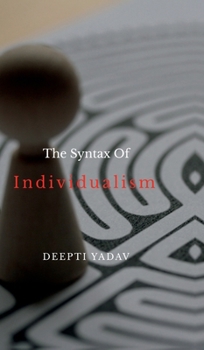
The Syntax Of Individualism

The syntax of individualism refers to the way language, actions, and ideas are structured to place the individual at the center of meaning and value. Just as syntax in grammar determines how words form a sentence, the syntax of individualism determines how a person constructs identity, choices, and responsibility in society.
At its core, individualism emphasizes personal freedom, self-expression, and autonomy. The "I" becomes the primary unit of thought. Decisions are framed around personal desire, ambition, and belief rather than collective tradition or social obligation. This syntax appears in everyday language through phrases like my goals, my truth, and my journey, revealing how personal perspective dominates modern discourse.
Philosophically, individualism restructures moral reasoning. Right and wrong are often evaluated through personal conscience instead of inherited norms. Creativity, innovation, and dissent thrive under this framework because individuals feel empowered to challenge authority and convention. However, this same syntax can weaken communal bonds when self-interest overshadows empathy and shared responsibility.
In literature and culture, the syntax of individualism shapes narratives of self-discovery and inner conflict, where characters seek meaning through personal struggle rather than social roles. Thus, the syntax of individualism is not merely an idea but a person
Customer Reviews
ThriftBooks® and the ThriftBooks® logo are registered trademarks of Thrift Books Global, LLC
