


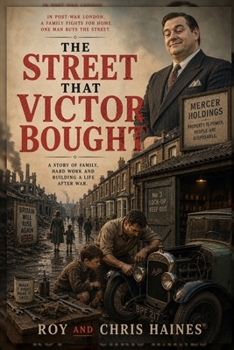
The Street That Victor Bought

After the Second World War, Britain is still standing, but only just.
In the soot-dark streets of South London, Arthur Mercer comes home from war to a wife who has endured too much, a son who barely knows him, and a country that expects ordinary people to rebuild their lives with ration books, broken roofs, and worn-out courage.
Arthur is not a man of speeches. He is a mechanic. He understands engines, tired tools, and the stubborn dignity of things others are ready to throw away. When he discovers an old Austin Seven Ruby hidden in a lockup, he sees more than a forgotten motorcar. He sees a way back to his son, Tommy. He sees patience, skill, and the quiet hope that something damaged can still be made to run.
But Arthur's brother Victor has learned a different lesson from war.
Victor buys houses, collects rent, and calls greed good sense. To him, streets are investments and people are numbers in a ledger. When he begins tightening his hold over the neighbours Arthur loves, especially vulnerable widow Mabel Finch, the brothers are drawn into a battle that is not fought with guns, but with rent books, repairs, pride, and the question of what a man truly owns.
As Arthur rebuilds the Austin, he also begins to rebuild his family. Elsie, his sharp-eyed and steadfast wife, refuses to let bitterness have the last word. Tommy learns that manhood is not loudness, cruelty, or wealth, but patience, usefulness, and doing a job properly. Little Billy grows up in peace. Around them, neighbours, factory workers, machinists, widows, and old soldiers struggle to make a life in a Britain still scarred by bombing, shortage, and loss.
From postwar Camberwell to factory floors, allotments, chapel yards, motor shows, and Sunday drives into Surrey, The Street That Victor Bought is a warm, moving, and richly detailed historical family saga about brothers divided by envy, a marriage strengthened by hardship, and the quiet victory of decency over power.
It is a story about old cars, but not only old cars.
It is about fathers and sons. Husbands and wives. Streets that remember. Work done well. Neighbours who stand together. And the belief that old does not mean useless, damaged does not mean finished, and quiet lives are never small.
Perfect for readers who enjoy emotional historical fiction, postwar British family sagas, stories of ordinary courage, and richly drawn characters facing moral choices in difficult times.
Customer Reviews
ThriftBooks ® and the ThriftBooks ® logo are registered trademarks of Thrift Books Global, LLC
