



Select Format
Select Condition 
Book Overview
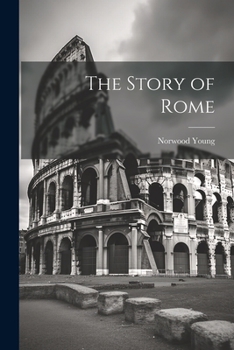
This book provides a comprehensive history of Rome, from its mythical foundation by Romulus and Remus to the fall of the Western Empire in 476 AD. Young covers all the major events and personalities of Roman history, as well as the social, economic, and cultural developments that made Rome one of the most influential civilizations in world history.
This work has been selected by scholars as being culturally important, and is part of the knowledge base of civilization as we know it.
This work is in the "public domain in the United States of America, and possibly other nations. Within the United States, you may freely copy and distribute this work, as no entity (individual or corporate) has a copyright on the body of the work.
Scholars believe, and we concur, that this work is important enough to be preserved, reproduced, and made generally available to the public. We appreciate your support of the preservation process, and thank you for being an important part of keeping this knowledge alive and relevant.
Related Subjects
HistoryCustomer Reviews
ThriftBooks ® and the ThriftBooks ® logo are registered trademarks of Thrift Books Global, LLC
