


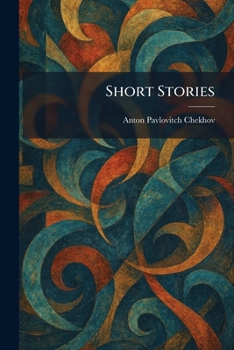
Short Stories

Select Format
Select Condition 
Book Overview
"Short Stories" by Anton Pavlovitch Chekhov is a definitive collection that showcases the mastery of one of the world's greatest short-form writers. Known for his profound influence on modern literature, Chekhov's work captures the intricacies of the human psyche and the mundane yet poignant realities of late 19th-century life. This collection features a series of vignettes and narratives that prioritize character depth and atmospheric detail over traditional plot structures, a technique that revolutionized literary realism.
From the struggles of the peasantry to the existential ennui of the aristocracy, Chekhov explores universal themes of isolation, miscommunication, and the quiet desperation of everyday existence. His prose is marked by brevity, subtle wit, and a deep compassion for his subjects, often finding humor and irony in tragic circumstances. Readers will find themselves immersed in a world where small gestures and unspoken words carry immense emotional weight. As a cornerstone of world literature, these stories remain timeless, offering profound insights into the complexities of human nature and the fleeting moments that define a life. This collection is an essential volume for anyone seeking to understand the evolution of the modern story and the enduring power of concise, evocative prose.
This work has been selected by scholars as being culturally important, and is part of the knowledge base of civilization as we know it. This work was reproduced from the original artifact, and remains as true to the original work as possible. Therefore, you may see the original copyright references, library stamps (as most of these works have been housed in our most important libraries around the world), and other notations in the work.
This work is in the public domain in the United States of America, and possibly other nations. Within the United States, you may freely copy and distribute this work, as no entity (individual or corporate) has a copyright on the body of the work.
As a reproduction of a historical artifact, this work may contain missing or blurred pages, poor pictures, errant marks, etc. Scholars believe, and we concur, that this work is important enough to be preserved, reproduced, and made generally available to the public. We appreciate your support of the preservation process, and thank you for being an important part of keeping this knowledge alive and relevant.
Customer Reviews
ThriftBooks ® and the ThriftBooks ® logo are registered trademarks of Thrift Books Global, LLC
