


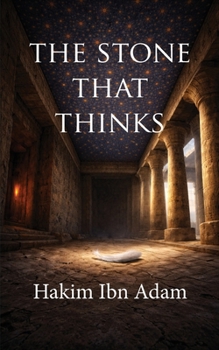
The Stone That Thinks

The Stone That Thinks follows a single day in Luxor, from the hypostyle hall
at Karnak before dawn to the Colossi of Memnon at dusk, in which an exile trained in the Western tradition confronts what his education made it
impossible to see: that the Egyptians were philosophers, that the Memphis Theology is not proto-philosophy but philosophy, that Ma'at is not a religious mythology but a moral ontology, and that the tradition that calls itself philosophy has walked past this evidence for twenty-five centuries.
Written in the tradition of Sebald's essayistic prose, where the architectural, the historical, and the autobiographical accumulate without announcement into something that cannot be unfelt, the novella enacts, rather than argues, its central claim.
The temples do not illustrate a thesis. The temples think. The man moving through them is the instrument through which the stone speaks, and the recognition he arrives at by nightfall is not a conclusion but a beginning: belated, insufficient, and necessary.
Philosophical fiction that inhabits its positions and trusts the reader to follow.
Customer Reviews
ThriftBooks ® and the ThriftBooks ® logo are registered trademarks of Thrift Books Global, LLC
