


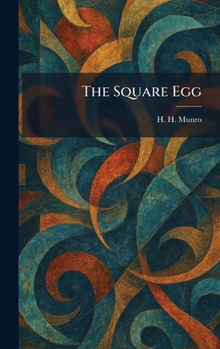
The Square Egg

"The Square Egg" is a compelling posthumous collection of sketches, short stories, and plays by the master of Edwardian satire, H. H. Munro, better known by his pen name, "Saki." This volume showcases the author's legendary wit, biting social commentary, and unique ability to blend the whimsical with the macabre. The title story, along with several other sketches, reflects Saki's firsthand experiences as a soldier during the Great War, offering a poignant yet characteristically sharp-eyed view of life in the trenches and the resilience of the human spirit under fire.
Beyond the war-themed pieces, the collection includes several plays that highlight Munro's mastery of dialogue and situational irony. Known for his subversive characters and sudden, often dark, narrative shifts, Saki remains one of the most influential figures in the development of the short story. "The Square Egg" serves as a vital testament to his enduring literary legacy, capturing the essence of an era through a lens that is simultaneously humorous and cynical. This collection is an essential read for admirers of classic British literature and those seeking a profound understanding of the satirical tradition in the early twentieth century.
This work has been selected by scholars as being culturally important, and is part of the knowledge base of civilization as we know it. This work was reproduced from the original artifact, and remains as true to the original work as possible. Therefore, you may see the original copyright references, library stamps (as most of these works have been housed in our most important libraries around the world), and other notations in the work.
This work is in the public domain in the United States of America, and possibly other nations. Within the United States, you may freely copy and distribute this work, as no entity (individual or corporate) has a copyright on the body of the work.
As a reproduction of a historical artifact, this work may contain missing or blurred pages, poor pictures, errant marks, etc. Scholars believe, and we concur, that this work is important enough to be preserved, reproduced, and made generally available to the public. We appreciate your support of the preservation process, and thank you for being an important part of keeping this knowledge alive and relevant.
Customer Reviews
ThriftBooks ® and the ThriftBooks ® logo are registered trademarks of Thrift Books Global, LLC
