


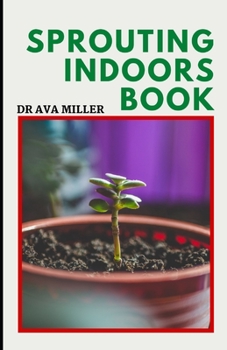
The Sprouting Indoors Book: Growing Sprouts and Using Sprouts To Maximize Your Health

We get cravings for greens this time of year. Sure, you lucky gardeners with indoor growing systems or hot houses may be eating home-grown kale or lettuce or spinach here in the dead of winter. But what's a renter without his own garden patch to do? Sprouts are one of nature's most nutritious foods, full of vitamins, minerals, and amino acids as well as a great source of roughage. Lentil sprouts are 26% protein; soy bean sprouts, as you can guess, even higher. Radish sprouts contain large amounts of vitamins C and A as well as being a good source of calcium. Sunflower sprouts have lots of vitamin D. Clover sprouts are a good source of cancer-fighting isoflavones and alfalfa sprouts contain phytoestrogens needed for hormonal balance. If you've been scared away from sprouts because of contamination incidents with store -bought products, there's a simple solution. Grow them yourself.
Your familiarity with sprouts might be limited to their use in stir frys (mung bean sprouts) and as a sandwich topping (alfalfa sprouts), but they're also great on their own. Sprouts are simply the result of a seed that has germinated - the seeds themselves are hard to digest, "sprouting" them makes their nutrients readily available to humans. They are typically consumed as an entire plant (root, seed, and shoot), unlike microgreens, which are cut off at soil level and harvested for the leaves only. It typically takes 3-5 days for sprouts to become fully grown. Sprouted beans are more nutritious than cooked dry beans thanks to their raw edibility after hydration and germination. A general rule of thumb is that if you can eat the greens or root of the seed, you can eat the sprouts. It should be noted that sprouts of the solanaceae family (also known as nightshades - tomato, potato, paprika, and eggplant) can be poisonous and should not be eaten. Ready to discover more?Grab a copy of this copy now.Customer Reviews
ThriftBooks ® and the ThriftBooks ® logo are registered trademarks of Thrift Books Global, LLC
