


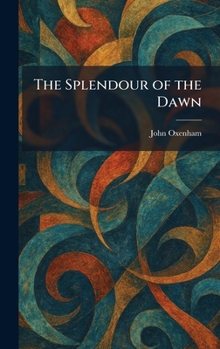
The Splendour of the Dawn

"The Splendour of the Dawn" is a compelling work of biblical historical fiction that explores the transformative power of faith during one of history's most pivotal eras. Set in the immediate aftermath of the Crucifixion, the narrative follows the journey of a young man whose life is irrevocably changed by the events he witnesses in Jerusalem. As the city reels from the execution of Jesus of Nazareth, the protagonist finds himself drawn into the burgeoning movement of followers who claim their leader has triumphed over death.
John Oxenham masterfully captures the tension and spiritual upheaval of the first century, blending meticulous historical atmosphere with a profound exploration of redemption and hope. The story delves into the internal conflict of an individual caught between the established order of the Roman world and the stirring of a new, revolutionary belief system. Through vivid characterizations and evocative prose, the novel portrays the dawn of Christianity not just as a historical milestone, but as a deeply personal journey of discovery. "The Splendour of the Dawn" remains a significant piece of early 20th-century religious literature, offering readers a poignant reflection on the enduring impact of the Resurrection on the human soul.
This work has been selected by scholars as being culturally important, and is part of the knowledge base of civilization as we know it. This work was reproduced from the original artifact, and remains as true to the original work as possible. Therefore, you may see the original copyright references, library stamps (as most of these works have been housed in our most important libraries around the world), and other notations in the work.
This work is in the public domain in the United States of America, and possibly other nations. Within the United States, you may freely copy and distribute this work, as no entity (individual or corporate) has a copyright on the body of the work.
As a reproduction of a historical artifact, this work may contain missing or blurred pages, poor pictures, errant marks, etc. Scholars believe, and we concur, that this work is important enough to be preserved, reproduced, and made generally available to the public. We appreciate your support of the preservation process, and thank you for being an important part of keeping this knowledge alive and relevant.
Customer Reviews
ThriftBooks ® and the ThriftBooks ® logo are registered trademarks of Thrift Books Global, LLC
