


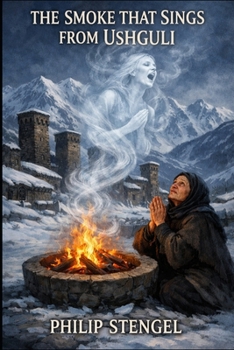
The Smoke That Sings from Ushguli

In Ushguli, the dead are burned so the wind can take what the living cannot carry.
When Mariam Khergiani cremates her grandmother Nana in the family smoke-house, the fire burns clean, but the smoke does not. A low dirge rises with the ash, intimate as breath, old as the towers that hold the village in place. The elders call it a warning: the smoke is a mouth, and if someone answers, it learns a new throat.
As winter tightens, the song moves from chimney to lane, pulling buried grievances out of the village like splinters from skin. Mariam's brother Giorgi returns marked after listening in the smoke-house, carrying memories that are not his, a name the village tried to seal away, and a debt that never finished falling.
To stop the spread, Ushguli must do what it has avoided for generations: speak the truth in daylight, mark the story's ending, and then starve what remains without feeding it fear.
If you like folk horror rooted in place, family secrets with teeth, and dread that builds like weather, this is for you.
Customer Reviews
ThriftBooks ® and the ThriftBooks ® logo are registered trademarks of Thrift Books Global, LLC
