


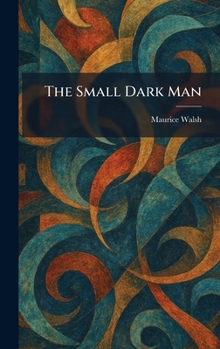
The Small Dark Man

"The Small Dark Man" is a captivating romantic adventure set against the rugged beauty of the Scottish Highlands. This celebrated work by Maurice Walsh follows the journey of a charismatic Irishman who travels to a remote Highland glen, where he becomes deeply involved in the lives, loves, and long-standing rivalries of the local community. Through its lyrical prose and rich sense of atmosphere, the novel explores the shared bonds and cultural nuances between the Irish and Scottish peoples, painting a vivid picture of rural life in the early 20th century.
The story is centered on themes of honor, friendship, and the unpredictable nature of attraction. As the protagonist navigates the social landscape of the hills, the narrative balances humor with a poignant appreciation for the natural world. "The Small Dark Man" is a testament to Walsh's skill in character development and his ability to weave a timeless tale that resonates with a sense of wonder and human connection. This classic work remains a beloved piece of fiction for those who appreciate traditional storytelling and the evocative power of the Gaelic spirit.
This work has been selected by scholars as being culturally important, and is part of the knowledge base of civilization as we know it. This work was reproduced from the original artifact, and remains as true to the original work as possible. Therefore, you may see the original copyright references, library stamps (as most of these works have been housed in our most important libraries around the world), and other notations in the work.
This work is in the public domain in the United States of America, and possibly other nations. Within the United States, you may freely copy and distribute this work, as no entity (individual or corporate) has a copyright on the body of the work.
As a reproduction of a historical artifact, this work may contain missing or blurred pages, poor pictures, errant marks, etc. Scholars believe, and we concur, that this work is important enough to be preserved, reproduced, and made generally available to the public. We appreciate your support of the preservation process, and thank you for being an important part of keeping this knowledge alive and relevant.
Customer Reviews
ThriftBooks ® and the ThriftBooks ® logo are registered trademarks of Thrift Books Global, LLC
