


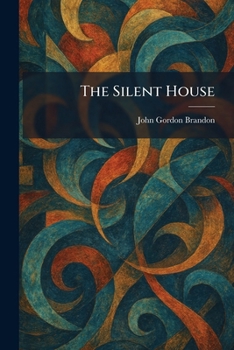
The Silent House

"The Silent House" is a compelling mystery thriller that exemplifies the high-stakes suspense of early twentieth-century detective fiction. Written by the prolific John Gordon Brandon, the narrative plunges readers into a world of intrigue, hidden treasures, and lethal secrets. When a vast fortune is left behind under mysterious circumstances, the protagonist must navigate a perilous path through a web of deception orchestrated by a ruthless criminal mastermind.
The story is set against an atmospheric backdrop where every shadow hides a potential threat and every room in the titular house holds a piece of a deadly puzzle. As the tension mounts, the work explores themes of loyalty, greed, and the tireless pursuit of justice. Known for its fast-paced action and dramatic twists, "The Silent House" captures the essence of the 'shocker' genre, providing a vivid window into the popular literature of the late 1920s. This classic tale remains a significant contribution to the golden age of thrillers, offering a masterclass in building tension and delivering a satisfying, pulse-pounding mystery.
This work has been selected by scholars as being culturally important, and is part of the knowledge base of civilization as we know it. This work was reproduced from the original artifact, and remains as true to the original work as possible. Therefore, you may see the original copyright references, library stamps (as most of these works have been housed in our most important libraries around the world), and other notations in the work.
This work is in the public domain in the United States of America, and possibly other nations. Within the United States, you may freely copy and distribute this work, as no entity (individual or corporate) has a copyright on the body of the work.
As a reproduction of a historical artifact, this work may contain missing or blurred pages, poor pictures, errant marks, etc. Scholars believe, and we concur, that this work is important enough to be preserved, reproduced, and made generally available to the public. We appreciate your support of the preservation process, and thank you for being an important part of keeping this knowledge alive and relevant.
Customer Reviews
ThriftBooks ® and the ThriftBooks ® logo are registered trademarks of Thrift Books Global, LLC
