


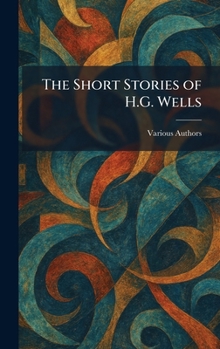
The Short Stories of H.G. Wells

"The Short Stories of h.g. Wells" is a comprehensive collection that showcases the extraordinary breadth and imaginative power of one of literature's most influential pioneers. This volume brings together a vast array of narratives, ranging from the early foundations of modern science fiction to insightful social comedies and haunting tales of the uncanny. Readers will encounter iconic concepts that have since become staples of the genre, including time travel, extraterrestrial encounters, and the profound ethical dilemmas posed by scientific advancement.
The collection highlights Wells' unique ability to blend rigorous scientific speculation with deep psychological insight and sharp social critique. From the terrifying biological anomalies to cosmic reaches, these stories explore the fragility of human civilization and the limitless possibilities of the unknown. Wells' mastery of the short form allows for a diverse exploration of human nature under extraordinary circumstances, making this compilation essential for any admirer of classic literature or speculative fiction. Whether depicting a prophetic vision of future warfare or a whimsical tale of magical realism, Wells remains a peerless storyteller whose work continues to resonate with modern audiences.
This work has been selected by scholars as being culturally important, and is part of the knowledge base of civilization as we know it. This work was reproduced from the original artifact, and remains as true to the original work as possible. Therefore, you may see the original copyright references, library stamps (as most of these works have been housed in our most important libraries around the world), and other notations in the work.
This work is in the public domain in the United States of America, and possibly other nations. Within the United States, you may freely copy and distribute this work, as no entity (individual or corporate) has a copyright on the body of the work.
As a reproduction of a historical artifact, this work may contain missing or blurred pages, poor pictures, errant marks, etc. Scholars believe, and we concur, that this work is important enough to be preserved, reproduced, and made generally available to the public. We appreciate your support of the preservation process, and thank you for being an important part of keeping this knowledge alive and relevant.
Customer Reviews
ThriftBooks ® and the ThriftBooks ® logo are registered trademarks of Thrift Books Global, LLC
