


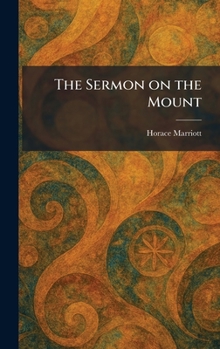
The Sermon on the Mount

"The Sermon on the Mount" is a profound and meticulous examination of one of the most significant discourses in the Christian tradition. Written by the scholar Horace Marriott, this work provides a comprehensive analysis of the teachings found in the Gospel of Matthew, chapters five through seven. Marriott delves into the ethical, spiritual, and theological implications of the Beatitudes, the Lord's Prayer, and the various moral exhortations delivered by Jesus to his disciples.
The book serves as both a scholarly commentary and a guide for deeper reflection, bridging the gap between historical criticism and practical application. It explores the linguistic nuances and the historical context of the first century, offering readers a clearer understanding of the original intent and the enduring relevance of the text. Marriott's expertise is evident in his systematic approach to the structure and themes of the sermon, making it an invaluable resource for students of the New Testament, clergy, and lay readers interested in the foundations of Christian morality. This study remains a significant contribution to biblical exegesis, highlighting the transformative power of the teachings that continue to shape Christian thought and practice.
This work has been selected by scholars as being culturally important, and is part of the knowledge base of civilization as we know it. This work was reproduced from the original artifact, and remains as true to the original work as possible. Therefore, you may see the original copyright references, library stamps (as most of these works have been housed in our most important libraries around the world), and other notations in the work.
This work is in the public domain in the United States of America, and possibly other nations. Within the United States, you may freely copy and distribute this work, as no entity (individual or corporate) has a copyright on the body of the work.
As a reproduction of a historical artifact, this work may contain missing or blurred pages, poor pictures, errant marks, etc. Scholars believe, and we concur, that this work is important enough to be preserved, reproduced, and made generally available to the public. We appreciate your support of the preservation process, and thank you for being an important part of keeping this knowledge alive and relevant.
Customer Reviews
ThriftBooks ® and the ThriftBooks ® logo are registered trademarks of Thrift Books Global, LLC
