


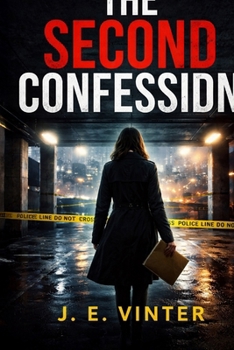
The Second Confession: A Novel of Confession, Finality, and the Cost of Looking Again

Twenty years after a high-profile murder trial ended in acquittal, a man on death row for an unrelated crime requests a meeting with the one prosecutor who still remembers the details that never quite added up.
He confesses, not to save himself, but to reopen a case the system declared finished.
What follows is not a race for new evidence, but a slow, methodical unraveling of how finality is manufactured: camera logs adjusted, witness statements softened, inconvenient questions filed away, and silence rewarded with promotion.
As the confession spreads beyond prison walls, one woman, once junior staff, now a senior prosecutor, must decide whether truth is worth the institutional exile it demands.
The Second Confession is a taut, unflinching novel about justice not as verdict, but as process. About the people who notice discrepancies and the systems built to make them forget. About what happens when a closed file is forced open again, and who pays the price when it refuses to close.
In a world that prizes clean endings, sometimes the most dangerous act is simply to look a second time.
Customer Reviews
ThriftBooks ® and the ThriftBooks ® logo are registered trademarks of Thrift Books Global, LLC
