


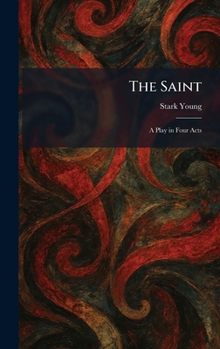
The Saint: A Play in Four Acts

"The Saint" is a compelling four-act play that explores the intricate intersections of faith, personal identity, and the human condition. Written by the distinguished American critic and playwright Stark Young, this dramatic work delves into the spiritual odyssey of its central characters as they navigate the demanding path toward religious devotion and the search for a higher purpose. Set within a framework that balances intellectual inquiry with emotional depth, the play examines the sacrifices, doubts, and internal conflicts inherent in a life of perceived holiness.
The narrative is structured to highlight the tensions between the sacred and the secular, providing a nuanced look at how individual convictions clash with societal expectations. Young's poetic sensibility and keen understanding of theatrical form are on full display, making "The Saint" a profound meditation on the nature of sanctity and the complexities of the soul. As a significant piece of early 20th-century American drama, the work offers readers and audiences a timeless exploration of the struggle to find meaning in a modern world. This play remains an essential study for those interested in the evolution of religious themes in American literature and the enduring power of character-driven drama.
This work has been selected by scholars as being culturally important, and is part of the knowledge base of civilization as we know it. This work was reproduced from the original artifact, and remains as true to the original work as possible. Therefore, you may see the original copyright references, library stamps (as most of these works have been housed in our most important libraries around the world), and other notations in the work.
This work is in the public domain in the United States of America, and possibly other nations. Within the United States, you may freely copy and distribute this work, as no entity (individual or corporate) has a copyright on the body of the work.
As a reproduction of a historical artifact, this work may contain missing or blurred pages, poor pictures, errant marks, etc. Scholars believe, and we concur, that this work is important enough to be preserved, reproduced, and made generally available to the public. We appreciate your support of the preservation process, and thank you for being an important part of keeping this knowledge alive and relevant.
Related Subjects
DramaCustomer Reviews
ThriftBooks ® and the ThriftBooks ® logo are registered trademarks of Thrift Books Global, LLC
