


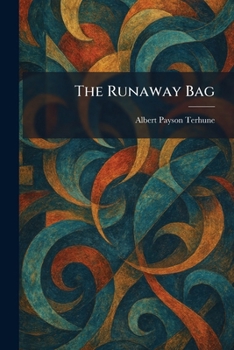
The Runaway Bag

Select Format
Select Condition 
Book Overview
"The Runaway Bag" is a high-stakes adventure and mystery novel that transports readers into a world of international intrigue and suspense. Written by the prolific Albert Payson Terhune, this fast-paced narrative follows the chaotic journey of a mysterious piece of luggage and the individuals desperate to claim its contents. The story unfolds with cinematic energy, leading its characters through a series of unexpected encounters and dangerous situations that span across continents, reaching into the exotic locales of Northern Africa.
Known for his mastery of storytelling, Terhune delivers a gripping thriller focused on human grit and the unpredictable nature of fate. As the protagonists navigate a web of deception and relentless pursuit, the novel explores themes of loyalty, courage, and the thrill of the chase. With its vibrant prose and classic early 20th-century sensibilities, "The Runaway Bag" remains a compelling example of vintage adventure fiction, offering a unique blend of mystery and action that captures the adventurous spirit of the 1920s.
This work has been selected by scholars as being culturally important, and is part of the knowledge base of civilization as we know it. This work was reproduced from the original artifact, and remains as true to the original work as possible. Therefore, you may see the original copyright references, library stamps (as most of these works have been housed in our most important libraries around the world), and other notations in the work.
This work is in the public domain in the United States of America, and possibly other nations. Within the United States, you may freely copy and distribute this work, as no entity (individual or corporate) has a copyright on the body of the work.
As a reproduction of a historical artifact, this work may contain missing or blurred pages, poor pictures, errant marks, etc. Scholars believe, and we concur, that this work is important enough to be preserved, reproduced, and made generally available to the public. We appreciate your support of the preservation process, and thank you for being an important part of keeping this knowledge alive and relevant.
Customer Reviews
ThriftBooks ® and the ThriftBooks ® logo are registered trademarks of Thrift Books Global, LLC
