


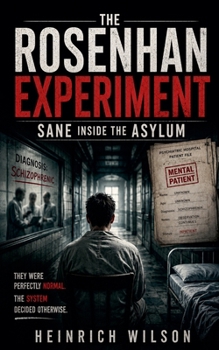
The Rosenhan Experiment: Sane Inside the Asylum

The Rosenhan Experiment: Sane Inside the Asylum explores one of the most controversial psychological studies ever conducted and the disturbing questions it raised about sanity, authority, and institutional power. In 1973, psychologist David Rosenhan sent healthy individuals into psychiatric hospitals claiming to hear strange voices. Once admitted, they behaved completely normally, yet the institutions continued viewing them through the lens of mental illness. What followed became one of the most influential and debated studies in modern psychology.
This book takes readers deep inside the world surrounding the experiment. From the rise of psychiatric institutions and the anti-psychiatry movement of the 1970s to the daily reality of life inside hospital wards, the story unfolds step by step without sensationalism or blind ideology. It examines how diagnosis shapes perception, how labels alter identity, and why ordinary behavior can begin looking suspicious once authority has already decided who a person is.
At the same time, this is not a simplistic attack on psychiatry. Mental illness is real, and psychiatric care remains necessary for countless people suffering severe psychological distress. The book also explores the backlash Rosenhan faced, the criticisms of his methods, and the later controversy surrounding the experiment itself, including questions about missing evidence and narrative exaggeration.
More than fifty years later, the Rosenhan Experiment still feels disturbingly relevant. In a world increasingly shaped by algorithms, surveillance, public reputation, and institutional categorization, the story reaches far beyond psychiatric hospitals. It becomes a wider reflection on modern society itself and what happens once systems gain the power to define who we are.
Customer Reviews
ThriftBooks ® and the ThriftBooks ® logo are registered trademarks of Thrift Books Global, LLC
