


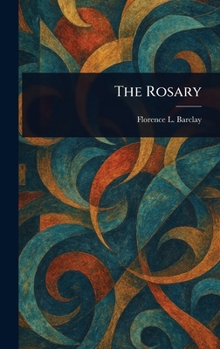
The Rosary

Select Format
Select Condition 
Book Overview
"The Rosary," by Florence L. Barclay, is a beloved historical romance exploring themes of love and faith. This meticulously prepared edition allows readers to rediscover this enduring tale of artists and the complexities of human connection. Steeped in religious and Christian fiction elements, the story offers a glimpse into a world where artistic passion intertwines with spiritual devotion. "The Rosary" remains a testament to the power of love, sacrifice, and the search for meaning within the tapestry of life. A timeless work of literary and historical fiction, this edition invites readers to immerse themselves in a captivating narrative that continues to resonate with its profound exploration of the human spirit.
This work has been selected by scholars as being culturally important, and is part of the knowledge base of civilization as we know it.
This work is in the public domain in the United States of America, and possibly other nations. Within the United States, you may freely copy and distribute this work, as no entity (individual or corporate) has a copyright on the body of the work.
Scholars believe, and we concur, that this work is important enough to be preserved, reproduced, and made generally available to the public. We appreciate your support of the preservation process, and thank you for being an important part of keeping this knowledge alive and relevant.
Customer Reviews
ThriftBooks ® and the ThriftBooks ® logo are registered trademarks of Thrift Books Global, LLC
