


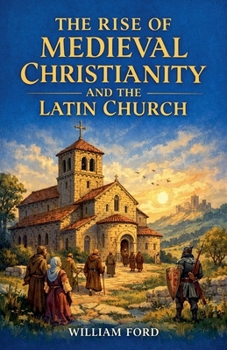
The Rise of Medieval Christianity and the Latin Church

This book invites readers on a journey through the medieval world-a world simultaneously alien and familiar, inspiring and troubling, magnificent and deeply flawed. It was a world where the tolling of church bells marked every hour, where the calendar was structured around saints' days and liturgical seasons, where the church provided the primary social services, education, and cultural life. It was a world where Christianity offered meaning, community, hope for salvation, and explanations for suffering, but also enforced conformity, punished dissent, and justified hierarchies of power. To understand this world requires setting aside our modern assumptions and prejudices as much as possible, approaching medieval Christianity with both critical intelligence and imaginative empathy. Only then can we appreciate the full complexity and historical significance of the rise of the Latin Church and the Christian civilization it created.
The story that follows is ultimately a human story-of ambitious popes and humble monks, of brilliant theologians and illiterate peasants, of saints and sinners, of faith and doubt, of power and service, of idealism and corruption. It is the story of how an ancient Jewish sect preaching otherworldly salvation became the central institution of Western civilization, shaping the medieval world so thoroughly that even today, seven centuries after the medieval period ended, we live with its consequences.
Customer Reviews
ThriftBooks® and the ThriftBooks® logo are registered trademarks of Thrift Books Global, LLC
