


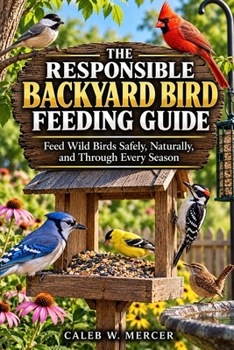
The Responsible Backyard Bird Feeding Guide: Feed Wild Birds Safely, Naturally, and Through Every Season

Create a safer, healthier feeding space for wild birds while learning how to support them through changing seasons.
Feeding birds can bring color, movement, and life closer to home, but doing it well involves more than simply filling a feeder. Food quality, feeder placement, cleanliness, predators, disease risks, seasonal needs, and natural food sources all play an important role in creating a responsible feeding routine.
The Responsible Backyard Bird Feeding Guide shows you how to make thoughtful choices that support visiting birds while reducing common problems around feeding stations.
Build a Better Feeding RoutineLearn how to choose suitable foods, place feeders wisely, keep equipment clean, manage waste, and observe which species visit your space. You will also discover how natural vegetation, water, shelter, and seasonal changes can influence feeding activity.
Inside You'll Discover: How different birds use seeds, fruits, insects, suet, nectar, and other food sourcesHow feeder design can influence which species visitWhy regular cleaning is important around feeding stationsHow spilled food and overcrowding can create problemsHow to reduce risks from predators and window collisionsHow to recognize when a feeding area needs adjustmentHow seasonal changes affect natural food availabilityHow winter conditions can influence feeding activityWhy native plants can provide valuable natural resourcesHow water, shelter, and vegetation complement supplemental foodHow to manage squirrels and other visitors without harming wildlifeHow to observe birds without disturbing normal activityHow to maintain a cleaner and more sustainable feeding stationThink Beyond the FeederA bird-friendly outdoor space is not built around food alone. Trees, shrubs, native plants, insects, clean water, nesting opportunities, and protective cover can all contribute to a healthier environment. This book helps you combine supplemental feeding with broader habitat support.
Adapt Through the YearThe birds visiting your property may change with migration, breeding activity, weather, and food availability. Learning to adjust your feeding routine through the year can help you respond more thoughtfully to those changes.
Feed With Wildlife Welfare in MindResponsible feeding means paying attention to more than the number of birds at a feeder. Clean equipment, fresh food, appropriate placement, reduced crowding, and careful observation can all help create a safer experience for the birds you enjoy watching.
Perfect for beginning bird enthusiasts, backyard naturalists, families, and anyone who wants to support wild birds more thoughtfully, this practical handbook provides a clear foundation for creating a cleaner, safer, and more nature-friendly feeding space.
Customer Reviews
ThriftBooks ® and the ThriftBooks ® logo are registered trademarks of Thrift Books Global, LLC
