


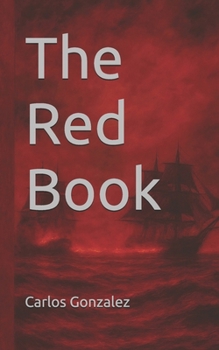
The Red Book

The Red Book is a fierce, incandescent volume of conflict and passion: how love and war bend the self, and what survives the fire.
The Red Book moves in heat and fracture. This is the colour of battle and of blood-risen yearning: scenes of conflict (internal and external), the private combustions that become public consequence, and the small cruelties that teach as much as they wound. The sea here is red at the edges, as a consequence of living, and the book asks what we are willing to risk, whom we will defend, and where loyalty becomes a form of loss.
Written in crude, blunt, lyrical prose, Red gathers pitched scenes: skirmishes and reckonings, outraged vows, acts of devotion that look like rebellion, and moments of costly care. The writing does not romanticize violence; it treats confrontation as a force that remakes character. Characters are tested by war, by rage, by love; and the narrative keeps faith with consequence: choices land and reverberate.
Read if you want literature that faces moral heat directly, sharply observed conflict, passionate stakes, and the ethical labor that follows action.
Customer Reviews
ThriftBooks® and the ThriftBooks® logo are registered trademarks of Thrift Books Global, LLC
