


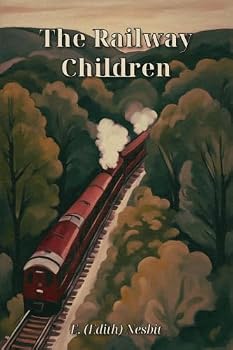
The Railway Children

is a children's book published in 1906. When their father is suddenly imprisoned for espionage, three siblings-Roberta, Peter, and Phyllis-move with their mother from Lon don to a modest house near a railway. There, they befriend an elderly gen tleman on the morning train and encounter various adventures involving Russian exiles, injured travelers, and railway workers. The children must navigate their changed circumstances while holding onto hope that their fa ther's name will be clearedy were not railway children to begin with. I don't suppose they had ever thought about railways except as a means of getting to Maskelyne and Cook's, the Pantomime, Zoological Gardens, and Madame Tussaud's. Theywere just ordinary suburbanchildren, andtheylivedwiththeir Father andMother inanordinary red-brick-frontedvilla, withcolouredglassinthe front door, a tiled passage that was called a hall, a bath-room with hot and cold water, electric bells, French windows, and a good deal of white paint, and 'every modern convenience', as the house-agents say. Therewerethreeofthem. Robertawastheeldest. Ofcourse, Mothersnever havefavourites, butiftheirMotherHADhadafavourite, itmighthavebeen Roberta. NextcamePeter, whowishedtobeanEngineerwhenhegrewup; and the youngest was Phyllis, who meant extremely well. Mother did not spend all her time in paying dull calls to dull ladies, and sitting dullyathomewaitingfordullladiestopay callstoher. Shewasalmost always there, ready to play with the children, Besidesthissheusedtowritestoriesforthem whiletheywereatschool, andreadthemaloudaftertea, andshealwaysmade up funny pieces of poetry for their birthdays and for other great occasions, such as the christening of the new kittens, or the refurnishing of the doll's house, or the time when they were getting over the mumps
Customer Reviews
ThriftBooks ® and the ThriftBooks ® logo are registered trademarks of Thrift Books Global, LLC
