


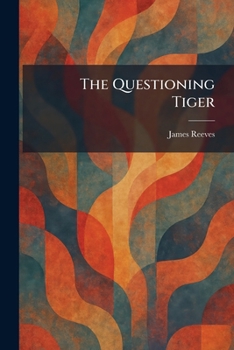
The Questioning Tiger

"The Questioning Tiger" is a refined collection of verse that highlights the distinctive voice of James Reeves, a significant literary figure of the early twentieth century. This volume explores a diverse array of themes, ranging from the intricacies of the natural world to the profound questions of human existence. Reeves employs a mastery of rhythm and form, crafting poems that are both accessible and deeply resonant.
Throughout the collection, the central imagery of the tiger serves as a focal point for inquiry, symbolizing the untamed beauty and the inherent mysteries of life. The poems within "The Questioning Tiger" reflect a keen observation of surroundings and an empathetic understanding of the human condition. Readers will find themselves drawn into a landscape of vivid descriptions and thoughtful meditations that characterize the best of British lyrical poetry.
This work stands as a testament to the enduring power of traditional poetic structures when paired with modern sensibilities. "The Questioning Tiger" remains an essential volume for admirers of twentieth-century literature and those who appreciate poetry that balances intellectual curiosity with emotional depth.
This work has been selected by scholars as being culturally important, and is part of the knowledge base of civilization as we know it. This work was reproduced from the original artifact, and remains as true to the original work as possible. Therefore, you may see the original copyright references, library stamps (as most of these works have been housed in our most important libraries around the world), and other notations in the work.
This work is in the public domain in the United States of America, and possibly other nations. Within the United States, you may freely copy and distribute this work, as no entity (individual or corporate) has a copyright on the body of the work.
As a reproduction of a historical artifact, this work may contain missing or blurred pages, poor pictures, errant marks, etc. Scholars believe, and we concur, that this work is important enough to be preserved, reproduced, and made generally available to the public. We appreciate your support of the preservation process, and thank you for being an important part of keeping this knowledge alive and relevant.
Related Subjects
PoetryCustomer Reviews
ThriftBooks ® and the ThriftBooks ® logo are registered trademarks of Thrift Books Global, LLC
