


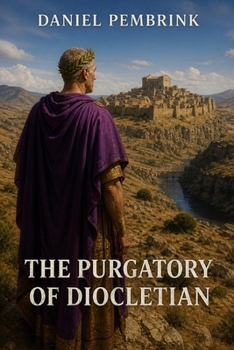
The Purgatory of Diocletian

Rome believed in order.
Diocletian enforced it.
After initiating one of the most systematic persecutions in Roman history, the emperor Diocletian is drawn into a city that does not respond to command in familiar ways. Authority here is not seized, displayed, or enforced. It is tested.
In this place, voices are not elevated by rank but by the weight they carry. Law is measured rather than proclaimed. Silence itself seems to listen. The symbols of empire-crowns, titles, rituals-mean little, while unfamiliar customs quietly shape every encounter.
As Diocletian presses his claim to power, he finds himself increasingly unsettled by a society that refuses to recognize authority unless it is openly accounted for. Figures without names endure where emperors fade. Records outlast monuments. Judgment arrives without spectacle.
Told in a stark first-person voice, The Purgatory of Diocletian is not a conventional historical novel but an allegorical confrontation with power at the edge of its certainty. Set against the memory of empire, it explores authority, conscience, and the cost of insisting on control when obedience no longer comes.
This is not a comforting book. It does not reassure. It asks what remains when command fails-and whether silence can become a more severe tribunal than force.
Customer Reviews
ThriftBooks ® and the ThriftBooks ® logo are registered trademarks of Thrift Books Global, LLC
