


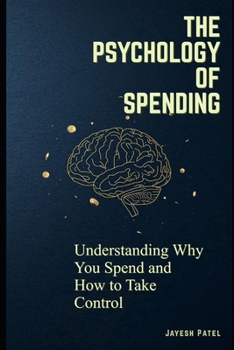
The Psychology Of Spending

The Psychology of Spending by Jayesh Patel is a practical and insightful exploration of the hidden forces that influence how people make financial decisions. Rather than focusing on traditional financial advice like budgeting or investing strategies, the book dives deeper into the psychological aspects of money-examining why people spend the way they do and how emotions, habits, and cognitive biases shape everyday choices.
The book is structured into three main parts. The first section explains the emotional foundations of spending, showing how feelings such as stress, boredom, and excitement often drive purchases more than logic. It highlights how the brain is wired for instant gratification, making it difficult to prioritize long-term financial goals over immediate pleasure.
The second part focuses on common psychological traps like impulse buying, fear of missing out (FOMO), social comparison, and subscription habits. It reveals how external influences such as advertising and social environments subtly shape desires, often leading to unnecessary spending.
The final section offers practical strategies to build better financial control. Concepts like the 24-hour rule, tracking expenses, delayed gratification, and value-based spending help readers develop discipline and awareness. The emphasis is on creating sustainable habits and aligning financial behavior with personal values.
Overall, the book serves as a guide to understanding the connection between mind and money. It encourages readers to build self-awareness, break harmful spending patterns, and make more intentional financial decisions for long-term stability.
Customer Reviews
ThriftBooks ® and the ThriftBooks ® logo are registered trademarks of Thrift Books Global, LLC
