


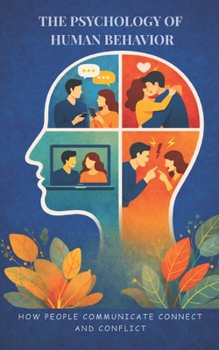
The Psychology of Human Behavior: How People Communicate Connect and Conflict

Why do the same arguments keep returning, even when both people want things to improve?
A delayed reply can feel like rejection. A practical solution can sound like dismissal. A request for space can be interpreted as withdrawal, while a request for reassurance can feel like pressure. When people bring different communication habits, attachment patterns, and emotional histories into the same relationship, even good intentions can produce painful misunderstandings.
How People Communicate, Connect, and Conflict explores the psychology of what happens between people. Fendi Rusly explains how we express needs, form emotional bonds, build trust, react to threats, repeat arguments, and attempt repair in romantic relationships, friendships, families, workplaces, and digital spaces. The focus is not on winning an argument, but on understanding the pattern well enough to change the interaction.
Inside, you will explore:
Passive, aggressive, passive-aggressive, and assertive communication stylesHow attachment patterns influence closeness, reassurance, independence, and withdrawalWhy emotional triggers can overwhelm rational conversationThe pursuit-and-withdrawal cycle and other recurring conflict patternsHow trust is built, damaged, and repaired through repeated behaviorThe role of active listening, validation, empathy, boundaries, power, and accountabilityHow texting and social media change tone, attention, and connectionPractical ways to lower defensiveness, interrupt escalation, and communicate more clearlyThis book does not promise perfect relationships or conflict-free communication. It offers a framework for recognizing the patterns beneath an interaction so you can respond to what is actually happening instead of reacting only to the surface.
For anyone who wants healthier conversations, stronger emotional connections, and a more useful understanding of conflict, this book turns invisible relationship dynamics into patterns you can recognize and change.
Book 2 in The Psychology of Human Behavior series.
Customer Reviews
ThriftBooks ® and the ThriftBooks ® logo are registered trademarks of Thrift Books Global, LLC
