


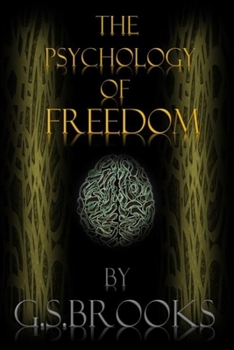
The Psychology Of Freedom

A non-fiction work that explores the distinction between mental and physical confinement: one can be physically liberated yet mentally confined; likewise, one can be physically confined and remain mentally and spiritually free.
It offers an analytical examination of the origins of police enforcement in the United States, and their behavior within inner cities, alongside a critical look at defense attorneys' relationships with their clients, the function of district attorneys in the courtroom, and the practices and biases of sitting judges, particularly against poor defendants. The book outlines how the U.S. judicial structure can perpetuate cycles of crime and mass incarceration.
At its core, it presents a prisoner's lived experience within correctional institutions while pursuing psychological freedom. It explores how prison itself produces prison-oriented pathologies, often unrecognized by those living within them, that, if left unaddressed, can endure for a lifetime. It examines how the criminal justice system impacts not only the individual psyche, but also families, friends, communities, and the broader public.
The narrative details daily behavioral patterns among prisoners, correctional officers, and institutional staff, illustrating how these pathologies are shaped within a rigid, totalitarian environment. It also offers thoughtful considerations toward meaningful prison reform.
Further, it provides an inside look at prisoners' relationships, with partners, spouses, family members, friends, fellow prisoners, and correctional staff, while ultimately showing how an individual can achieve mental freedom and transform the skills developed on the streets and in prison into a foundation for success beyond prison walls.
Customer Reviews
ThriftBooks® and the ThriftBooks® logo are registered trademarks of Thrift Books Global, LLC
