


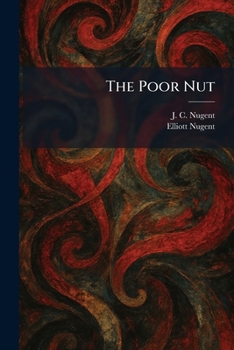
The Poor Nut

"The Poor Nut" is a vibrant three-act comedy that captures the spirit and humor of American collegiate life in the mid-1920s. Written by the celebrated team of J. C. Nugent and Elliott Nugent, the play centers on John Miller, an introverted botany student at Ohio State University who suffers from a paralyzing inferiority complex. Known by his peers as a "nut," Miller's life takes a dramatic turn when he becomes entangled in a romantic rivalry and finds himself unexpectedly thrust into the spotlight of the university's track and field team.
As the pressure of the big meet approaches, the play explores themes of self-confidence, social status, and the exhilarating chaos of youth. With its witty dialogue and charming portrayal of campus traditions, "The Poor Nut" offers a nostalgic look at a bygone era of sports and education. This enduring work of American drama provides both a lighthearted romance and a timeless underdog story about finding strength and recognition where they are least expected.
This work has been selected by scholars as being culturally important, and is part of the knowledge base of civilization as we know it. This work was reproduced from the original artifact, and remains as true to the original work as possible. Therefore, you may see the original copyright references, library stamps (as most of these works have been housed in our most important libraries around the world), and other notations in the work.
This work is in the public domain in the United States of America, and possibly other nations. Within the United States, you may freely copy and distribute this work, as no entity (individual or corporate) has a copyright on the body of the work.
As a reproduction of a historical artifact, this work may contain missing or blurred pages, poor pictures, errant marks, etc. Scholars believe, and we concur, that this work is important enough to be preserved, reproduced, and made generally available to the public. We appreciate your support of the preservation process, and thank you for being an important part of keeping this knowledge alive and relevant.
Related Subjects
DramaCustomer Reviews
ThriftBooks ® and the ThriftBooks ® logo are registered trademarks of Thrift Books Global, LLC
