


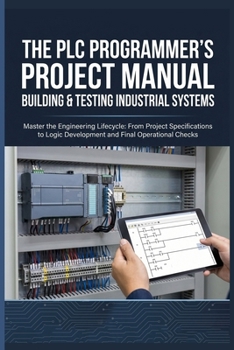
The PLC Programmer's Project Manual Building & Testing Industrial Systems: Master the Engineering Lifecycle: From Project Specifications to Logic Deve

THE PLC PROGRAMMER'S PROJECT MANUAL: BUILDING & TESTING INDUSTRIAL SYSTEMS is the definitive, execution-focused blueprint for automation engineers, technicians, and system integrators who need to navigate the high-stakes engineering lifecycle of modern industrial plants. While many resources focus solely on writing isolated code snippets, this comprehensive manual targets the entire project lifecycle-bridging the critical gap between abstract logic design and the rigorous realities of factory field deployment. By mastering this holistic workflow, you will transition from a traditional programmer to a sophisticated automation systems architect.
This hands-on guide walks you systematically through every phase of a professional industrial build. You will learn how to parse vague customer requirements into rock-solid project specifications, map out deterministic hardware architectures, and translate complex operational sequences into organized, highly maintainable PLC logic. Crucially, the manual places heavy emphasis on the final operational checks, providing structured frameworks for Factory Acceptance Testing (FAT), site commissioning, and advanced fault diagnostics. Whether you are synchronizing high-speed manufacturing lines or implementing critical safety interlocking networks, this book equips you with the exact strategies needed to mitigate project risks, eliminate design rework, and guarantee plant uptime.
Why You Should Buy This BookThis manual is a high-yield asset that delivers the structural, process-driven skills demanded by elite automation firms. By mastering the complete engineering lifecycle from initial specification to final commissioning, you will drastically reduce debugging overhead and slash expensive field-testing times. It provides production-ready documentation strategies, validation checklists, and structured testing blueprints that ensure minimal factory downtime, allowing you to execute high-budget automation bids with absolute technical authority.
Customer Reviews
ThriftBooks ® and the ThriftBooks ® logo are registered trademarks of Thrift Books Global, LLC
