


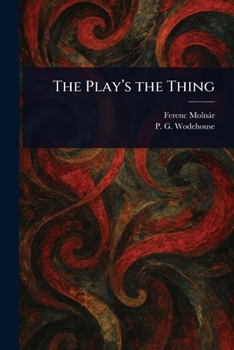
The Play's the Thing

Select Format
Select Condition 
Book Overview
Immerse yourself in the captivating world of classic theatrical comedy with "The play's the thing," a brilliant collaboration from the inimitable P. G. Wodehouse and the acclaimed Ferenc Moln r. This celebrated play script offers a delightful journey into the intricate lives of actors and playwrights, where the drama onstage often pales in comparison to the romantic entanglements unfolding backstage.
This witty production is a masterclass in comedic writing, celebrated for its sharp dialogue and clever observations on human nature. At its core, "The play's the thing" expertly explores the complexities of romantic relationships, frequently centering on intriguing interpersonal triangles that fuel the hilarious action. Readers are drawn into the spirited atmosphere of the theater, witnessing the passions and rivalries that define those dedicated to the stage. Through the eyes of its talented cast of dramatists and performers, this genuine comedy play provides a timeless glimpse into the universal truths about love, ambition, and the art of performance. It offers both profound insights and abundant laughter, making it a work with enduring appeal. An essential addition for any admirer of classic drama, sophisticated humor, and the magical realm where art and life brilliantly intertwine.This work has been selected by scholars as being culturally important, and is part of the knowledge base of civilization as we know it.
This work is in the public domain in the United States of America, and possibly other nations. Within the United States, you may freely copy and distribute this work, as no entity (individual or corporate) has a copyright on the body of the work.
Scholars believe, and we concur, that this work is important enough to be preserved, reproduced, and made generally available to the public. We appreciate your support of the preservation process, and thank you for being an important part of keeping this knowledge alive and relevant.
Customer Reviews
ThriftBooks ® and the ThriftBooks ® logo are registered trademarks of Thrift Books Global, LLC
