


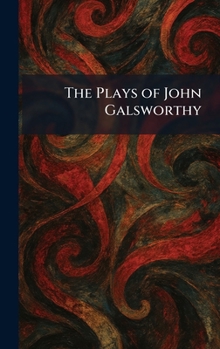
The Plays of John Galsworthy

"The Plays of John Galsworthy" offers a comprehensive collection of dramatic works by one of the most significant English playwrights and novelists of the early 20th century. Known for his keen observation of the British class system and his commitment to social reform, Galsworthy's plays serve as powerful critiques of the era's legal and social institutions. This volume showcases his mastery of social realism, presenting complex characters caught in the rigid structures of society.
From the exploration of industrial conflict in "Strife" to the examination of the criminal justice system in "Justice", these works remain vital for their moral depth and sharp dialogue. Galsworthy, a Nobel Prize laureate, brings a compassionate yet unflinching eye to the struggles of both the upper and lower classes, making this collection an essential resource for students of modern drama and lovers of classic British literature. Each play within the collection reflects the tensions of a changing world, highlighting themes of inequality, honor, and the human condition that continue to resonate today.
This work has been selected by scholars as being culturally important, and is part of the knowledge base of civilization as we know it. This work was reproduced from the original artifact, and remains as true to the original work as possible. Therefore, you may see the original copyright references, library stamps (as most of these works have been housed in our most important libraries around the world), and other notations in the work.
This work is in the public domain in the United States of America, and possibly other nations. Within the United States, you may freely copy and distribute this work, as no entity (individual or corporate) has a copyright on the body of the work.
As a reproduction of a historical artifact, this work may contain missing or blurred pages, poor pictures, errant marks, etc. Scholars believe, and we concur, that this work is important enough to be preserved, reproduced, and made generally available to the public. We appreciate your support of the preservation process, and thank you for being an important part of keeping this knowledge alive and relevant.
Customer Reviews
ThriftBooks ® and the ThriftBooks ® logo are registered trademarks of Thrift Books Global, LLC
