


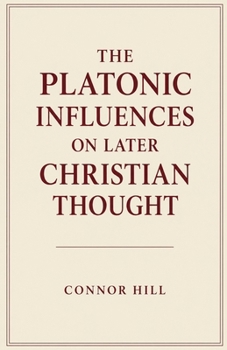
The Platonic Influences on Later Christian Thought

Few relationships in the history of ideas have generated as much fascination, controversy, and scholarly debate as the encounter between Christianity and Platonism. From the earliest centuries of the Christian era, believers and theologians found themselves living within a cultural world deeply shaped by Greek philosophical traditions. Among these traditions, none proved more influential than the legacy of Plato. His reflections on reality, knowledge, the soul, morality, and the divine furnished concepts and intellectual frameworks that would profoundly influence the development of Christian thought. Yet the relationship was never simple. Christians did not merely inherit Platonic philosophy, nor did they accept it without criticism. Instead, they engaged in a long process of appropriation, adaptation, transformation, and, at times, outright rejection. The history of Christian theology cannot be understood adequately without acknowledging this sustained dialogue between the teachings of the Church and the philosophical vision associated with Plato and his successors.
Customer Reviews
ThriftBooks ® and the ThriftBooks ® logo are registered trademarks of Thrift Books Global, LLC
