


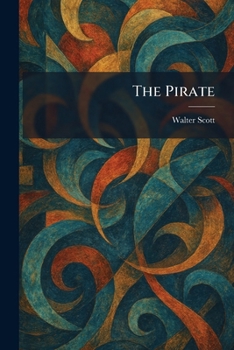
The Pirate

"The Pirate" is a compelling historical novel by Sir Walter Scott that transports readers to the rugged and windswept landscapes of the Shetland and Orkney Islands during the late 17th century. Drawing inspiration from the real-life exploits of the pirate John Gow, Scott weaves a tale of adventure, romance, and cultural tension. The narrative follows the mysterious Captain Clement Cleveland after he is shipwrecked on the coast of Shetland, where he becomes entangled with the Troil family and their two daughters, the spirited Minna and the gentle Brenda.
The work explores the clash between the ancient Norse traditions of the islanders and the encroaching modern influences of the Scottish mainland. As Cleveland's past catches up with him, the story unfolds into a dramatic exploration of honor, lawlessness, and the untamed power of the sea. Scott's masterful use of local folklore and vivid descriptions of the maritime environment creates an atmospheric setting that serves as more than just a backdrop; it is central to the novel's enduring charm. "The Pirate" remains a significant contribution to the Waverley Novels, showcasing Scott's ability to blend historical fact with imaginative storytelling to capture the spirit of a bygone era.
This work has been selected by scholars as being culturally important, and is part of the knowledge base of civilization as we know it. This work was reproduced from the original artifact, and remains as true to the original work as possible. Therefore, you may see the original copyright references, library stamps (as most of these works have been housed in our most important libraries around the world), and other notations in the work.
This work is in the public domain in the United States of America, and possibly other nations. Within the United States, you may freely copy and distribute this work, as no entity (individual or corporate) has a copyright on the body of the work.
As a reproduction of a historical artifact, this work may contain missing or blurred pages, poor pictures, errant marks, etc. Scholars believe, and we concur, that this work is important enough to be preserved, reproduced, and made generally available to the public. We appreciate your support of the preservation process, and thank you for being an important part of keeping this knowledge alive and relevant.
Customer Reviews
ThriftBooks ® and the ThriftBooks ® logo are registered trademarks of Thrift Books Global, LLC
