


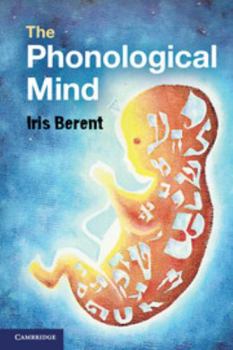
The Phonological Mind
No Customer Reviews

Select Format
Select Condition 
Book Overview
Humans instinctively form words by weaving patterns of meaningless speech elements. Moreover, we do so in specific, regular ways. We contrast dogs and gods, favour blogs to lbogs. We begin forming sound-patterns at birth and, like songbirds, we do so spontaneously, even in the absence of an adult model. We even impose these phonological patterns on invented cultural technologies such as reading and writing. But why are humans compelled to generate phonological patterns? And why do different phonological systems - signed and spoken - share aspects of their design? Drawing on findings from a broad range of disciplines including linguistics, experimental psychology, neuroscience and comparative animal studies, Iris Berent explores these questions and proposes a new hypothesis about the architecture of the phonological mind.
Format:Paperback
Language:English
ISBN:0521149703
ISBN13:9780521149709
Release Date:January 2013
Publisher:Cambridge University Press
Length:374 Pages
Weight:1.25 lbs.
Dimensions:0.8" x 5.9" x 8.8"
Related Subjects
Language ArtsCustomer Reviews
0 rating
Copyright © 2026 Thriftbooks.com
Terms of Use | Privacy Policy | Do Not Sell/Share My Personal Information | Cookie Policy | Cookie Preferences | Accessibility Statement
ThriftBooks ® and the ThriftBooks ® logo are registered trademarks of Thrift Books Global, LLC
ThriftBooks ® and the ThriftBooks ® logo are registered trademarks of Thrift Books Global, LLC
