


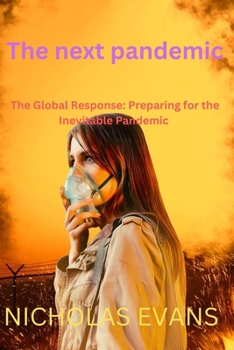
The Next Pandemic: The Global Response: Preparing for the Inevitable Pandemic
No Customer Reviews

zoonoses, are infectious diseases that can be transmitted between animals and humans. These diseases are caused by pathogens such as bacteria, viruses, fungi, or parasites that can jump from animals to humans through various pathways. Zoonotic diseases have been a significant concern in public health because they have the potential to cause widespread outbreaks and pandemics.Here are some key points about zoonotic diseases:
Transmission: Zoonotic diseases can be transmitted to humans through direct contact with infected animals, their bodily fluids, or tissues. They can also spread indirectly through contaminated food, water, or vectors like ticks and mosquitoes.Diverse Sources: Animals that can transmit zoonotic diseases range from domesticated pets and livestock to wildlife species. Some well-known examples include avian influenza (from birds), rabies (from mammals), and corona virus (believed to have originated in bats and potentially transmitted through an intermediate host).Global Impact: Zoonotic diseases have the potential to cause localized outbreaks or global pandemics. Their impact can be devastating both in terms of public health and the economy.
One Health Approach: Addressing zoonotic diseases often requires a "One Health" approach, which emphasizes collaboration among human health, animal health, and environmental experts. This approach recognizes the interconnectedness of human, animal, and environmental health.
Transmission: Zoonotic diseases can be transmitted to humans through direct contact with infected animals, their bodily fluids, or tissues. They can also spread indirectly through contaminated food, water, or vectors like ticks and mosquitoes.Diverse Sources: Animals that can transmit zoonotic diseases range from domesticated pets and livestock to wildlife species. Some well-known examples include avian influenza (from birds), rabies (from mammals), and corona virus (believed to have originated in bats and potentially transmitted through an intermediate host).Global Impact: Zoonotic diseases have the potential to cause localized outbreaks or global pandemics. Their impact can be devastating both in terms of public health and the economy.
One Health Approach: Addressing zoonotic diseases often requires a "One Health" approach, which emphasizes collaboration among human health, animal health, and environmental experts. This approach recognizes the interconnectedness of human, animal, and environmental health.
Format:Paperback
Language:English
ISBN:B0CJ4FJQNN
ISBN13:9798861628105
Release Date:September 2023
Publisher:Independently Published
Length:120 Pages
Weight:0.38 lbs.
Dimensions:0.3" x 6.0" x 9.0"
Customer Reviews
0 rating
Copyright © 2026 Thriftbooks.com Terms of Use
| Privacy Policy | Do Not
Sell/Share My Personal Information | Cookie Policy | Cookie Preferences | Accessibility Statement
ThriftBooks® and the ThriftBooks® logo are registered trademarks of Thrift Books Global, LLC
ThriftBooks® and the ThriftBooks® logo are registered trademarks of Thrift Books Global, LLC
